
Fourth episode of the High Season Podcast by Xavi Pardo and with the participation of Júlia Barbany and Núria Corominas from the collective Las Huecas, Teresa Turiera-Puigbò from the collective Cultura i Conflicte, Pau Masaló and Irene Visa, playwrights from "Ciutat Dormitori ”, Francesc Cuéllar and Ariadna Peya, co-director of Les Impuxibles.
A production of
With
Jofre Source, Neus Molina, Moral Gem, Xavi Pardo, Oriol Puig Taulé and Laura Serra
Related Videos
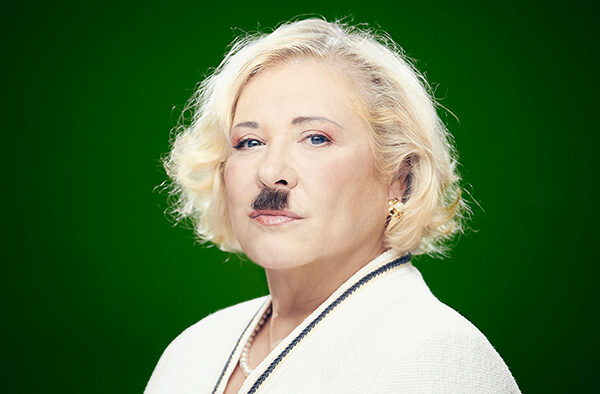
The rise of the extreme right is a global phenomenon. On the European continent, it is being demonstrated with attacks on various groups by their violent factions, to electoral results that have even led to the presidency of the ultra parties of countries with so much weight in the European Union like Italy How is this reality transferred to theatrical settings? How should we respond from the current creation? How is democracy preserved? Is the anti-fascist position something for all democrats? We talk about it in this episode that aims to overcome hate speech.
24/10/22
LOLA ROSALES - CARLA ROVIRA
The most anticipated match of Temporada Alta. Eight playwrights face the audience's verdict with the only weapon of the word. Each week two texts and four actors without technical requirements. Yaiza Berrocal, Víctor Borràs, Xavi Buxeda, David Mataró, Berta Prieto, Lola Rosales, Carla Rovira and Sergio Serrano are the participants of the twelfth edition of the Dramaturgy Tournament.
After four bouts, two semi-finals and a grand final, only one author remains who is declared the absolute winner. Let the show begin, authors in the ring!
12/12/22
CARLA ROVIRA - XAVI BUXEDA
The most anticipated match of Temporada Alta. Eight playwrights face the audience's verdict with the only weapon of the word. Each week two texts and four actors without technical requirements. Yaiza Berrocal, Víctor Borràs, Xavi Buxeda, David Mataró, Berta Prieto, Lola Rosales, Carla Rovira and Sergio Serrano are the participants of the twelfth edition of the Dramaturgy Tournament.
After four bouts, two semi-finals and a grand final, only one author remains who is declared the absolute winner. Let the show begin, authors in the ring!
28/11/22
XAVI BUXEDA - VÍCTOR BORRÀS
The most anticipated match of Temporada Alta. Eight playwrights face the audience's verdict with the only weapon of the word. Each week two texts and four actors without technical requirements. Yaiza Berrocal, Víctor Borràs, Xavi Buxeda, David Mataró, Berta Prieto, Lola Rosales, Carla Rovira and Sergio Serrano are the participants of the twelfth edition of the Dramaturgy Tournament.
After four bouts, two semi-finals and a grand final, only one author remains who is declared the absolute winner. Let the show begin, authors in the ring!
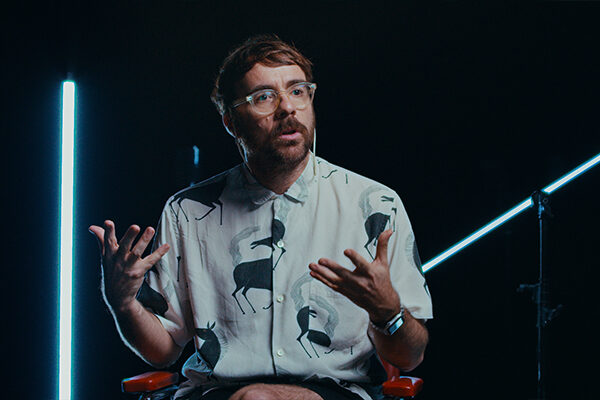
La Caverna is an audiovisual project where a series of artists who have been through Temporada Alta and linked to the festival reflect on their career, the performing arts and the world of creation, together with other artists, journalists and international personalities from the world of the culture
17/10/22
XAVI BUXEDA - BERTA PRIETO
The most anticipated match of Temporada Alta. Eight playwrights face the audience's verdict with the only weapon of the word. Each week two texts and four actors without technical requirements. Yaiza Berrocal, Víctor Borràs, Xavi Buxeda, David Mataró, Berta Prieto, Lola Rosales, Carla Rovira and Sergio Serrano are the participants of the twelfth edition of the Dramaturgy Tournament.
After four bouts, two semi-finals and a grand final, only one author remains who is declared the absolute winner. Let the show begin, authors in the ring!
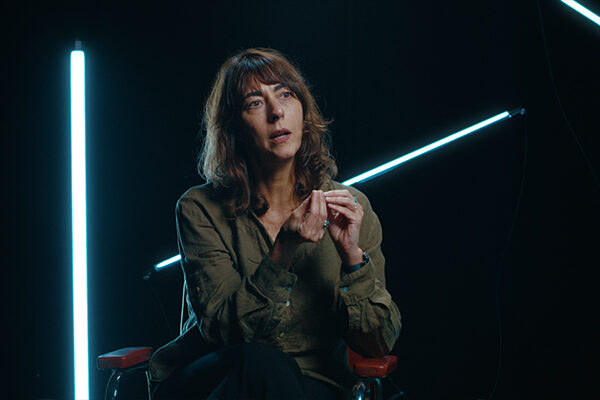
La Caverna is an audiovisual project where a series of artists who have been through Temporada Alta and linked to the festival reflect on their career, the performing arts and the world of creation, together with other artists, journalists and international personalities from the world of the culture
14/11/22
DAVID MATARÓ - CARLA ROVIRA
The most anticipated match of Temporada Alta. Eight playwrights face the audience's verdict with the only weapon of the word. Each week two texts and four actors without technical requirements. Yaiza Berrocal, Víctor Borràs, Xavi Buxeda, David Mataró, Berta Prieto, Lola Rosales, Carla Rovira and Sergio Serrano are the participants of the twelfth edition of the Dramaturgy Tournament.
After four bouts, two semi-finals and a grand final, only one author remains who is declared the absolute winner. Let the show begin, authors in the ring!
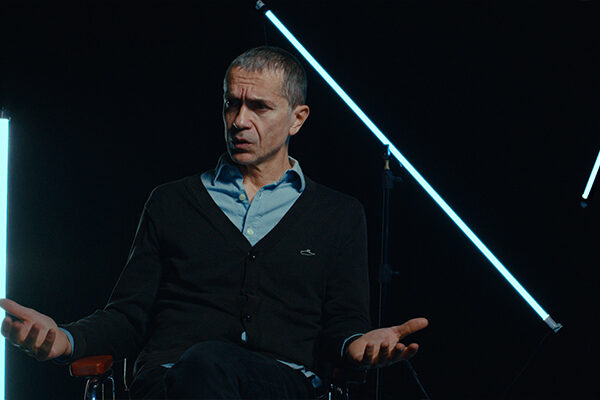
La Caverna is an audiovisual project where a series of artists who have been through Temporada Alta and linked to the festival reflect on their career, the performing arts and the world of creation, together with other artists, journalists and international personalities from the world of the culture
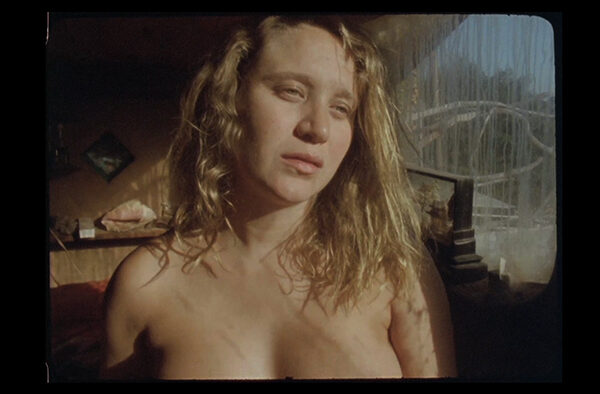
An actress, Raquel Ferri, gives birth. And an actress, Raquel Ferri, plays the night and day during which she gave birth.
Dreams can also be a matter of life or death. In this dream, the actress multiplies into different women, and prepares to give birth. And in some moment (from the past or the future) he relives the desires, the fears, the hopes, the friction of the bodies in transformation.
At the decisive moment of childbirth, real life and acting embrace and look into each other's eyes, just as it always does in our lives.