

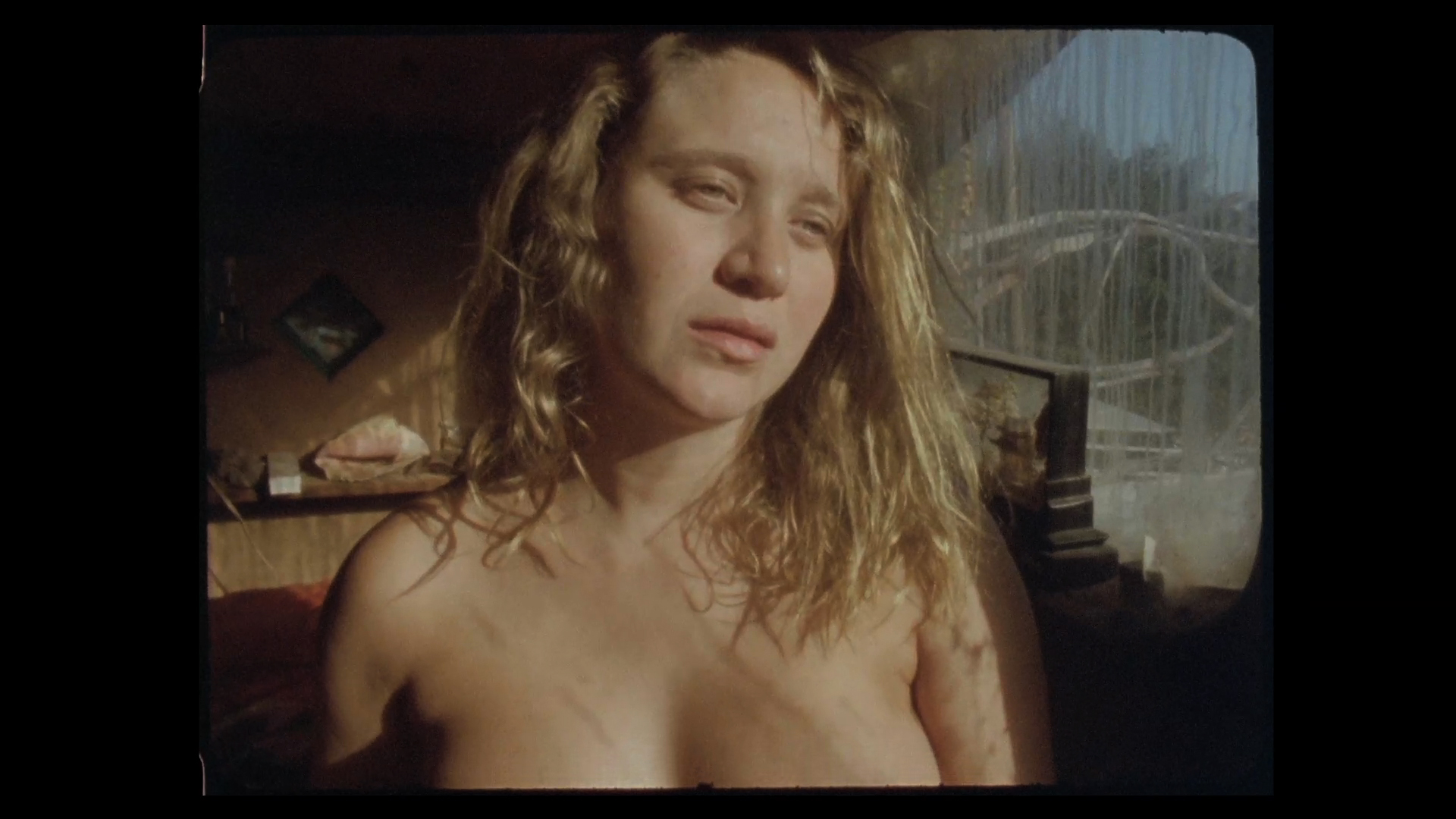
With a deliberately dreamy tone, The latent voice explores the desires, fears and hopes of a woman at such a decisive moment in her life as childbirth.
Artistic team
Direction and assembly
Isaki Lacuesta
Performers
Raquel Ferri, Silvia Perez Cruz, Albert Ubach Font, Martí Ferri Ubach and Luna Lacuesta
photography
Adriana Villa Guevara
Camera Assistant
Pau Mira
Executive production
Isa Field
Changing room
Lorena Panea
laboratory
Cinelabs
Cinelabs coordination
Cornelia Pope
Kodak film
Alejandro Paino
Team Sílvia Pérez Cruz
Alex Sanchez and Albert Smiles
Music
The Womb (Silvia Perez Cruz / Sylvia Plath)
Related Videos
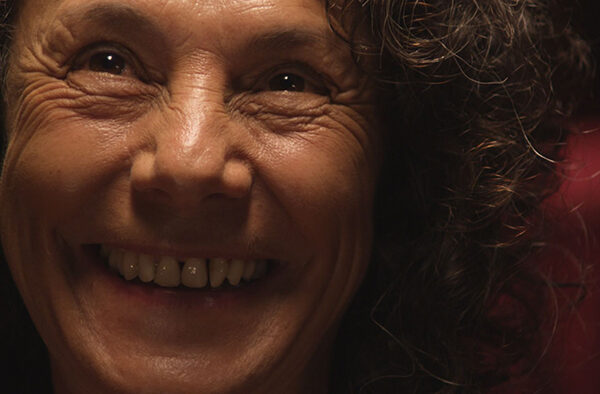
This it's possible focuses on the audience and man's atavistic need for catharsis, emphasizing the long list of facial and body expressions that any audience makes unconsciously and mechanically. A fascinating visual experience where we will all see ourselves reflected.
speak of'a primary need of man now and in the past, which has always moved him to make theater inside prehistoric caves, later in the theaters of Greece and up to the present day.
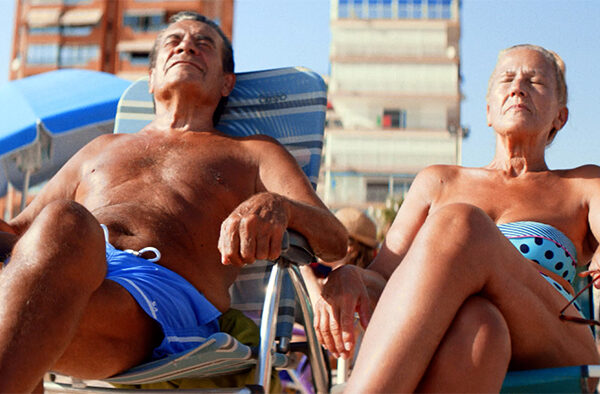
A dangerous idea has taken hold: Culture is only for entertainment. It's a luxury. Because from the outside this place looks like a sunny amusement park? Maybe we sold ourselves badly and cheaply. Can we change it or is it useless? It is urgent to point the gun at us. If we consider culture as pure entertainment we will be Pinocchio on the island of pleasure. Playing, sleeping and laughing as we turn into donkeys that no longer serve only to carry stones.
10/10/22
DAVID MATARÓ - SERGIO SERRANO
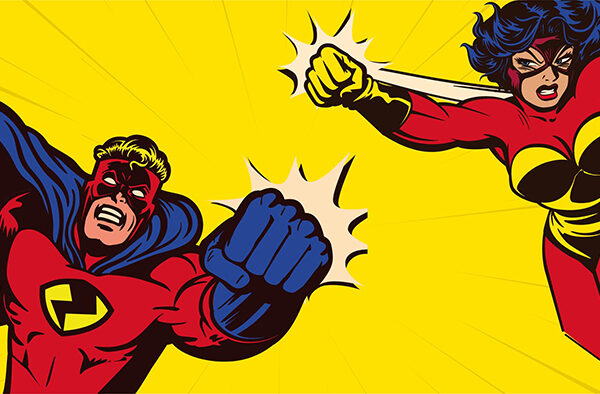
The most anticipated match of Temporada Alta. Eight playwrights face the audience's verdict with the only weapon of the word. Each week two texts and four actors without technical requirements. Yaiza Berrocal, Víctor Borràs, Xavi Buxeda, David Mataró, Berta Prieto, Lola Rosales, Carla Rovira and Sergio Serrano are the participants of the twelfth edition of the Dramaturgy Tournament.
After four bouts, two semi-finals and a grand final, only one author remains who is declared the absolute winner. Let the show begin, authors in the ring!
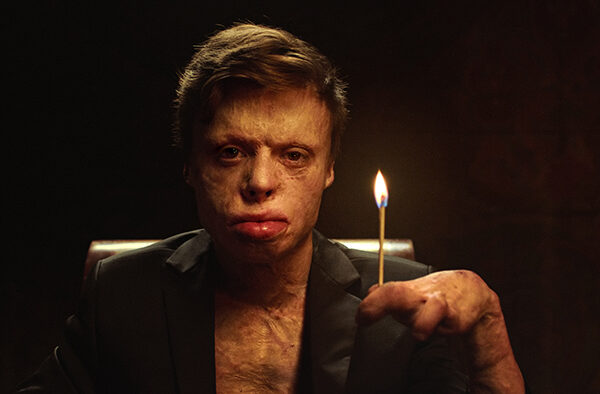
In an ideal setting, the theater is a place of collective reflection where anyone can be, one of the last spaces of freedom we have left.
If there is freedom in the theater, it should also exist in its advertising. And the most free advertising would be the one capable of questioning its own product and consumer.
The theater is only the flame, but it is the audience that must stir it.
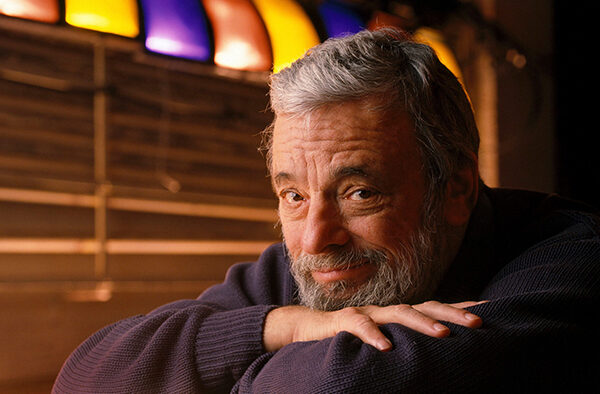
If we are lucky enough to have been able to enjoy some of Stephen Sondheim's musicals in Catalan, it is thanks to the passion and effort of some of our directors, performers and translators. One of the greatest musical composers of the 20th century has starred in glorious pages in the history of our theatre. "Gulf of Rome", "Sweeney Todd", "A Little Night Music", "Follies" or "Company" are some of the titles that appear in this conversation about music and theater, translation and language, craft and passion. A memory, a tribute... A party dedicated to the great Stephen Sondheim.
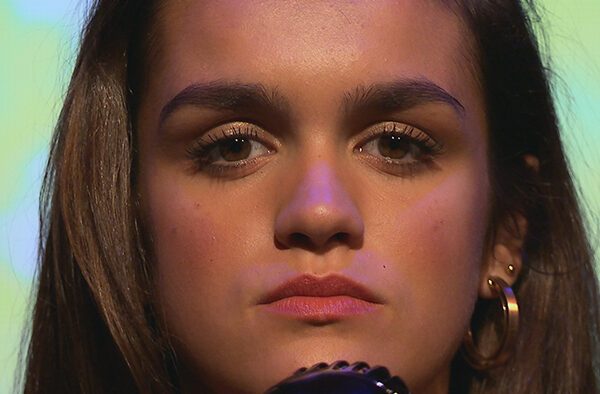
In 1971 Jeanette revolutionized Spain with the song I'm Rebel. The subject was a worldwide success but here it was banned for underage girls. In 2018, and having suffered the biggest rollback of freedoms since Franco, another singer once again made an entire country fall in love with her Rebellion.
Amaia wins the reality show OT and represents Spain at Eurovision thanks to her talent and personality. She is the transformative figure capable of reaching all levels of society. She sings this song for us to hear again. She is the voice of Spain.
A tired and economically exhausted country that is part of an old Europe that runs the risk of thinking about the past instead of drawing its future; this is the framework in which the Temporada Alta 2012 festival takes place.
Due to the economic crisis, there is a feeling of a certain general depression in the artistic world which, in addition, causes doubts to be generated about what the role of culture should be at a time like this.
17/10/22
XAVI BUXEDA - BERTA PRIETO
The most anticipated match of Temporada Alta. Eight playwrights face the audience's verdict with the only weapon of the word. Each week two texts and four actors without technical requirements. Yaiza Berrocal, Víctor Borràs, Xavi Buxeda, David Mataró, Berta Prieto, Lola Rosales, Carla Rovira and Sergio Serrano are the participants of the twelfth edition of the Dramaturgy Tournament.
After four bouts, two semi-finals and a grand final, only one author remains who is declared the absolute winner. Let the show begin, authors in the ring!
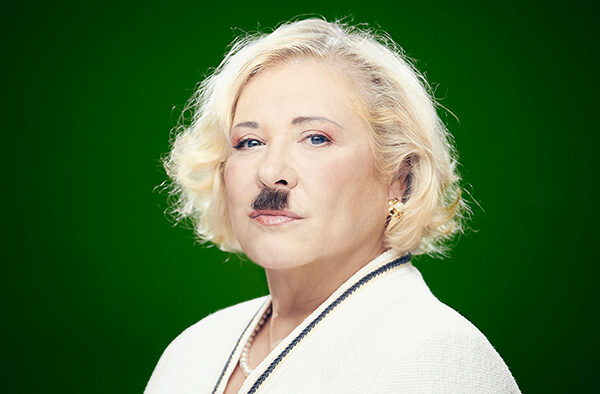
The rise of the extreme right is a global phenomenon. On the European continent, it is being demonstrated with attacks on various groups by their violent factions, to electoral results that have even led to the presidency of the ultra parties of countries with so much weight in the European Union like Italy How is this reality transferred to theatrical settings? How should we respond from the current creation? How is democracy preserved? Is the anti-fascist position something for all democrats? We talk about it in this episode that aims to overcome hate speech.
14/11/22
DAVID MATARÓ - CARLA ROVIRA
The most anticipated match of Temporada Alta. Eight playwrights face the audience's verdict with the only weapon of the word. Each week two texts and four actors without technical requirements. Yaiza Berrocal, Víctor Borràs, Xavi Buxeda, David Mataró, Berta Prieto, Lola Rosales, Carla Rovira and Sergio Serrano are the participants of the twelfth edition of the Dramaturgy Tournament.
After four bouts, two semi-finals and a grand final, only one author remains who is declared the absolute winner. Let the show begin, authors in the ring!